

Fishing Electronics
Reading Lake Maps and Underwater Contours
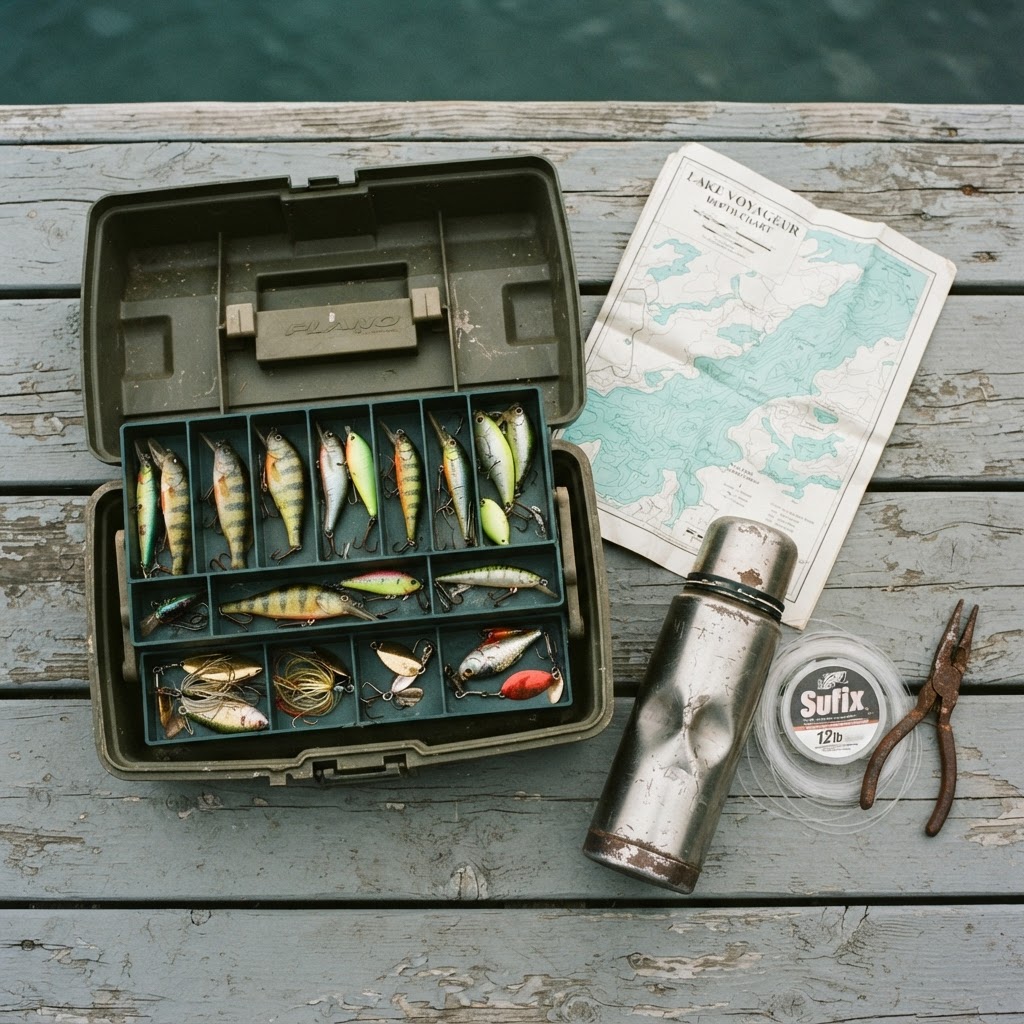
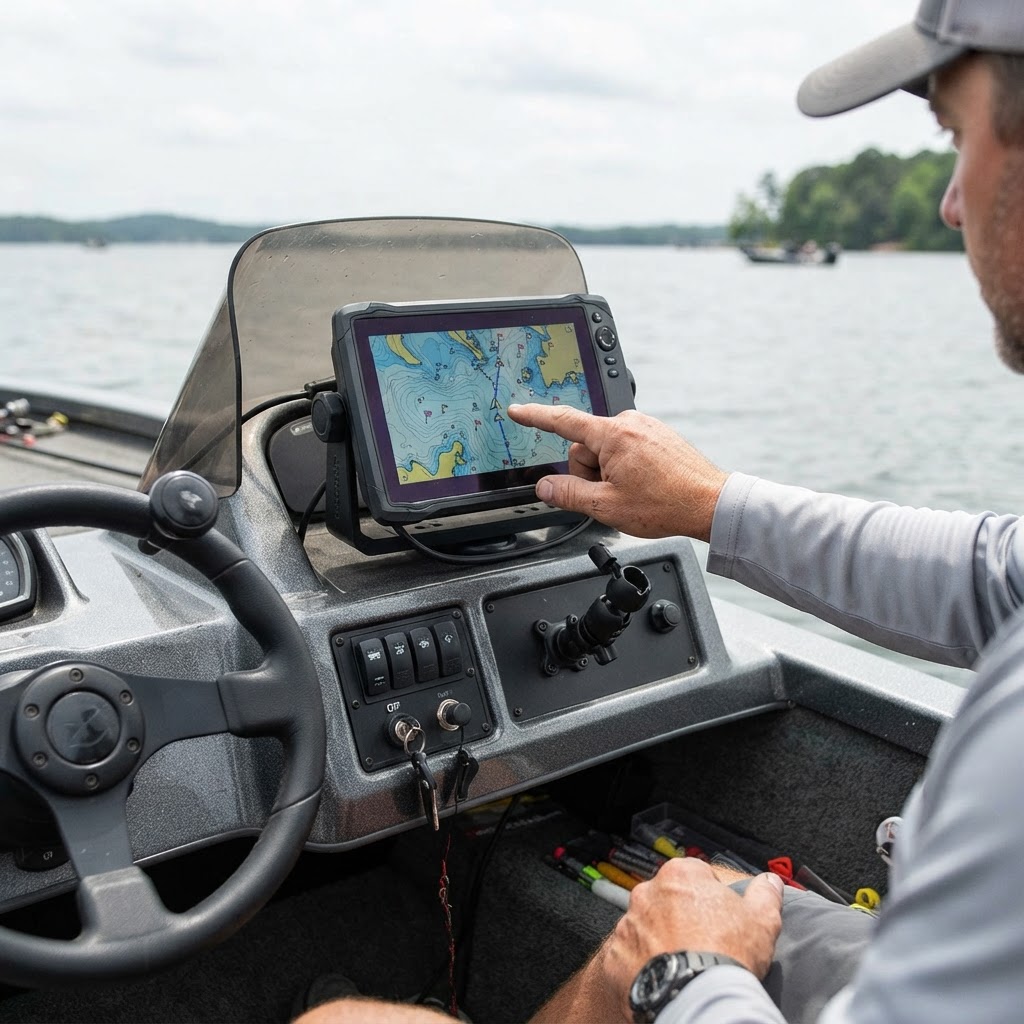
Contour lines are predictions. How to read intervals, points, humps, saddles and channel edges, and how to turn a map into three spots instead of a whole lake.
4 min readRead guide
Fall Fishing EditionNovember 2026
Guide shelf
Electronics show you depth, structure and the presence of fish. These guides explain what sonar actually measures, which imaging view answers which question, how to read a lake map, and how to mark the spots worth returning to.
FINN'S FISHING TIP
Match the hatch, then match the mood. A pressured fish wants a smaller meal than a hungry one.
Contour lines are predictions. How to read intervals, points, humps, saddles and channel edges, and how to turn a map into three spots instead of a whole lake.
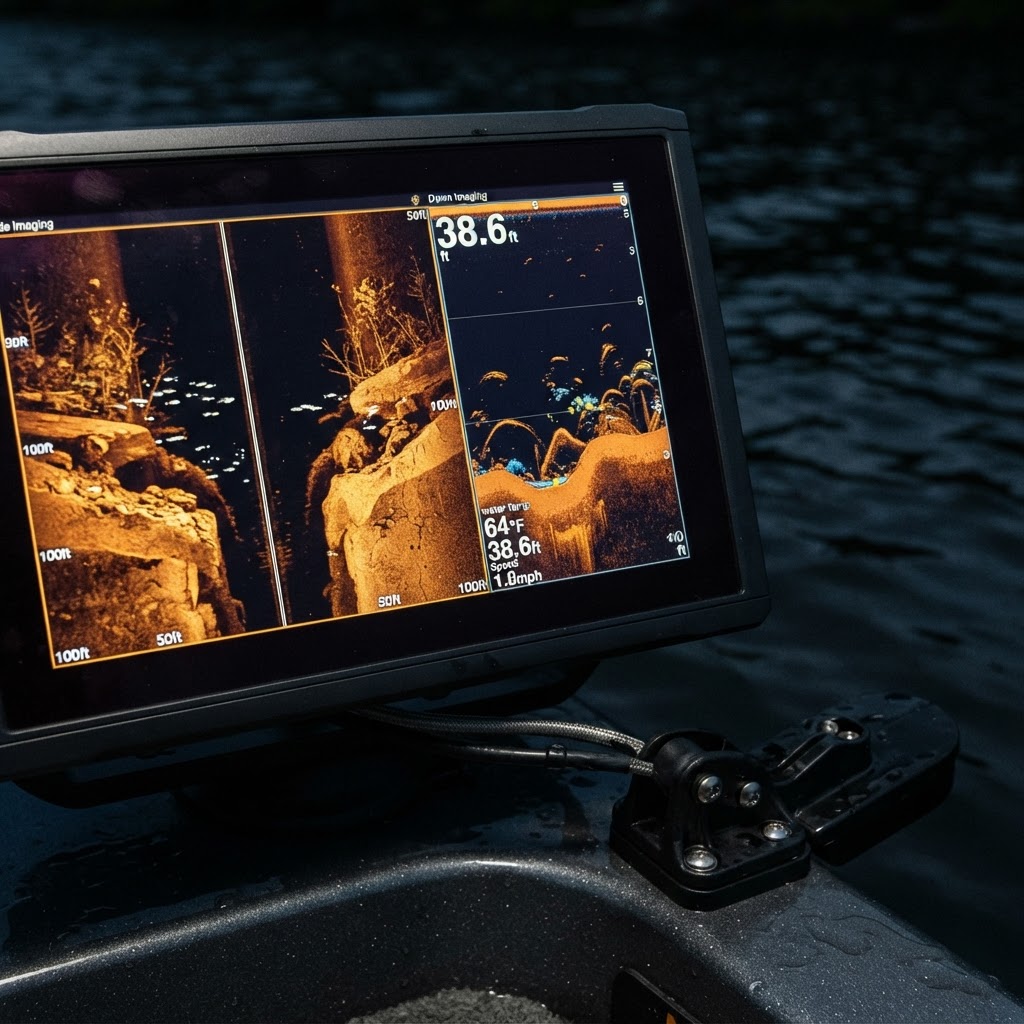
Side imaging searches a swath; down imaging scrutinises what is under the boat. Which view answers which question, and how to use all three together.
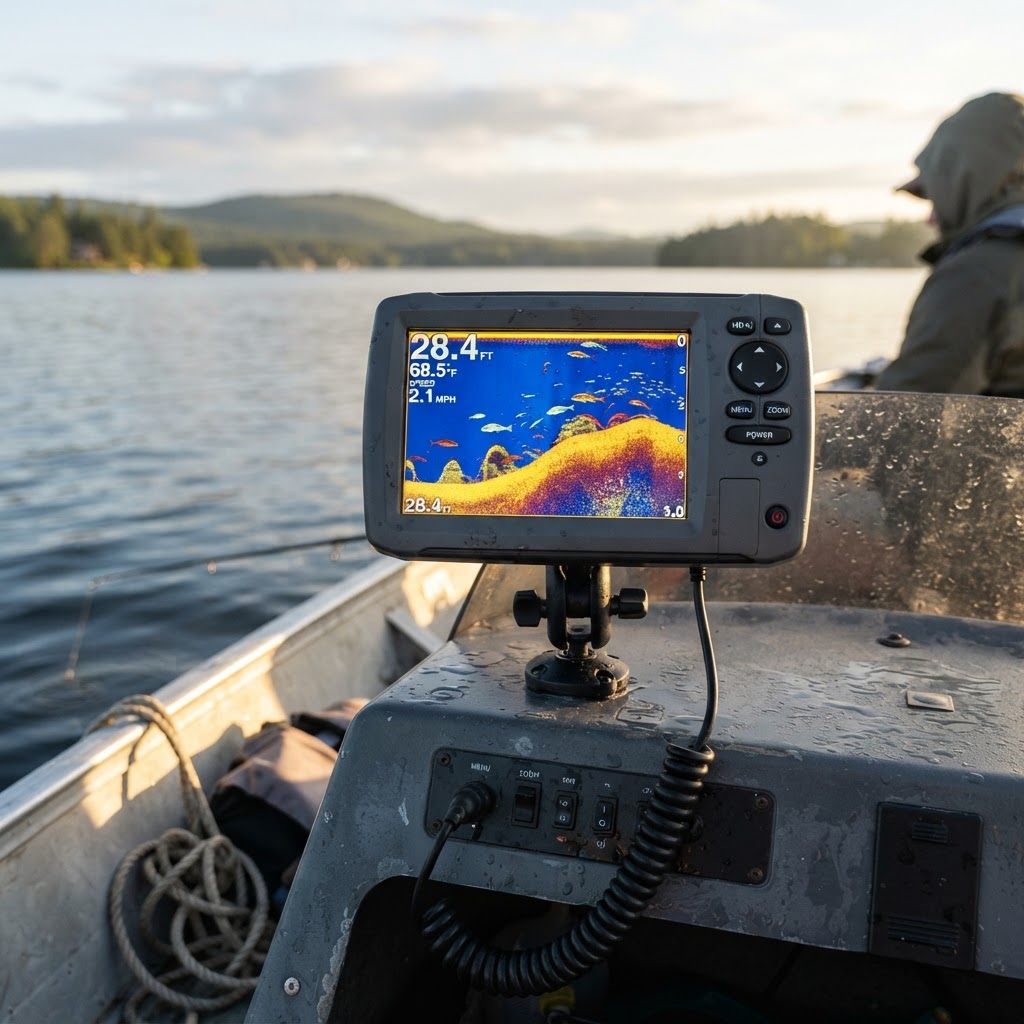
A fish finder is sonar: a pulse, an echo and a timer. What the cone really covers, why arches appear, and the setup habits that make a cheap unit useful.
A waypoint is a record of what worked, not a list of pretty marks. What to save, how to name it, why the transducer offset matters, and how to use tracks safely.
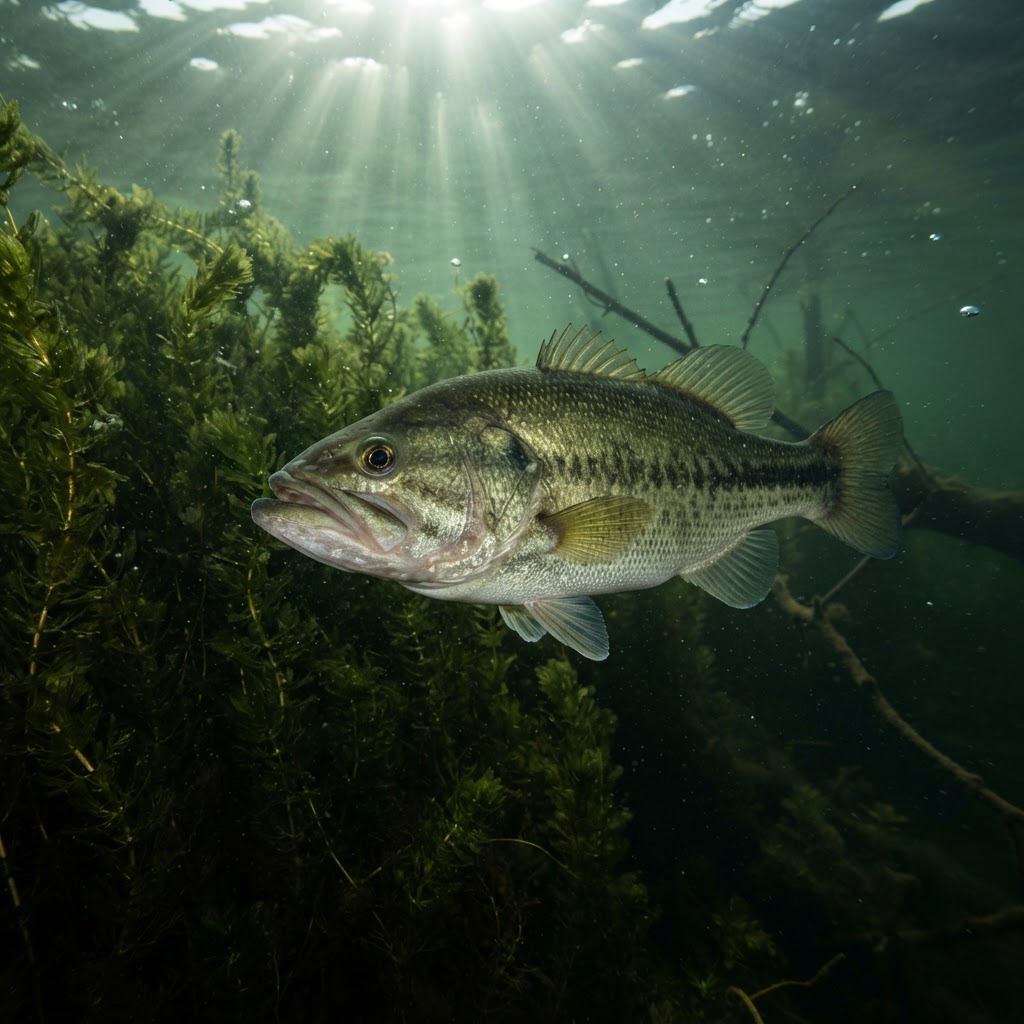
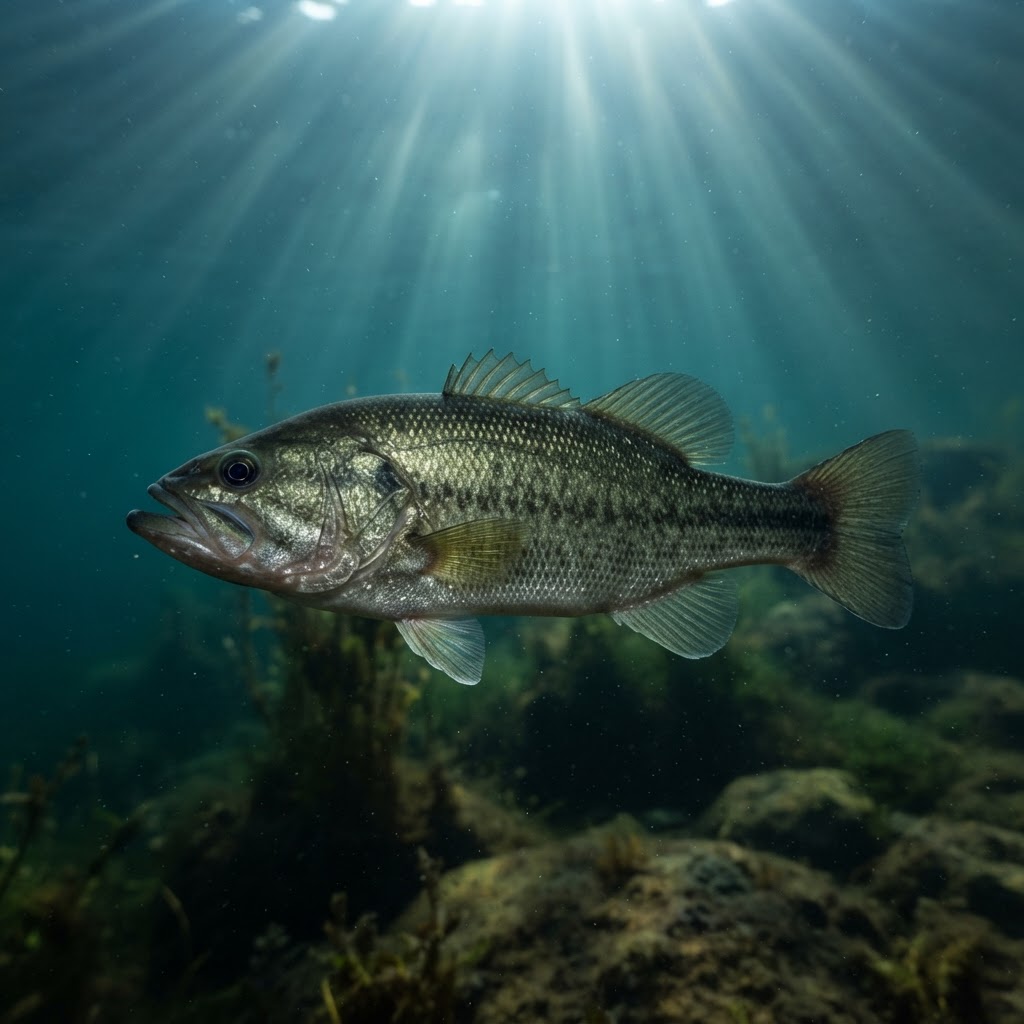 Bassbass fishing tips · how to catch largemouth bassOpen shelf
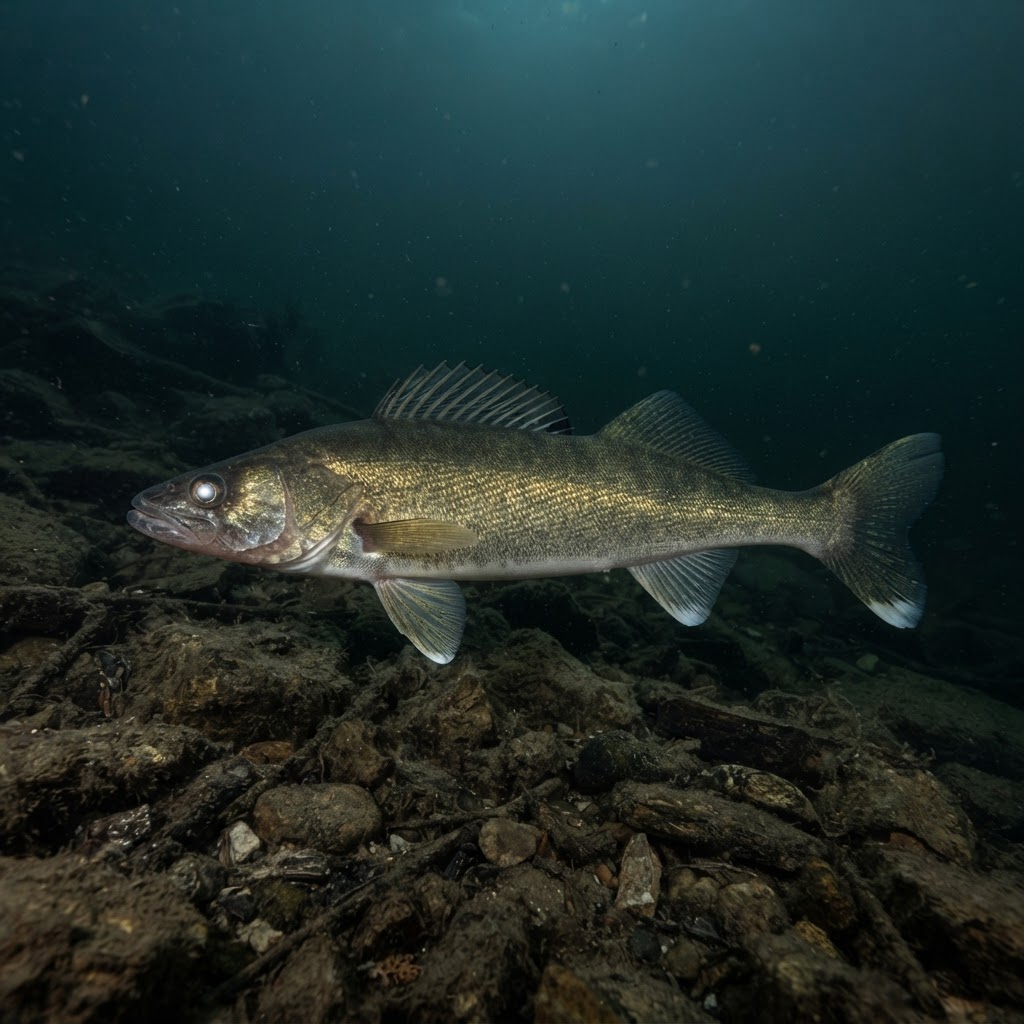
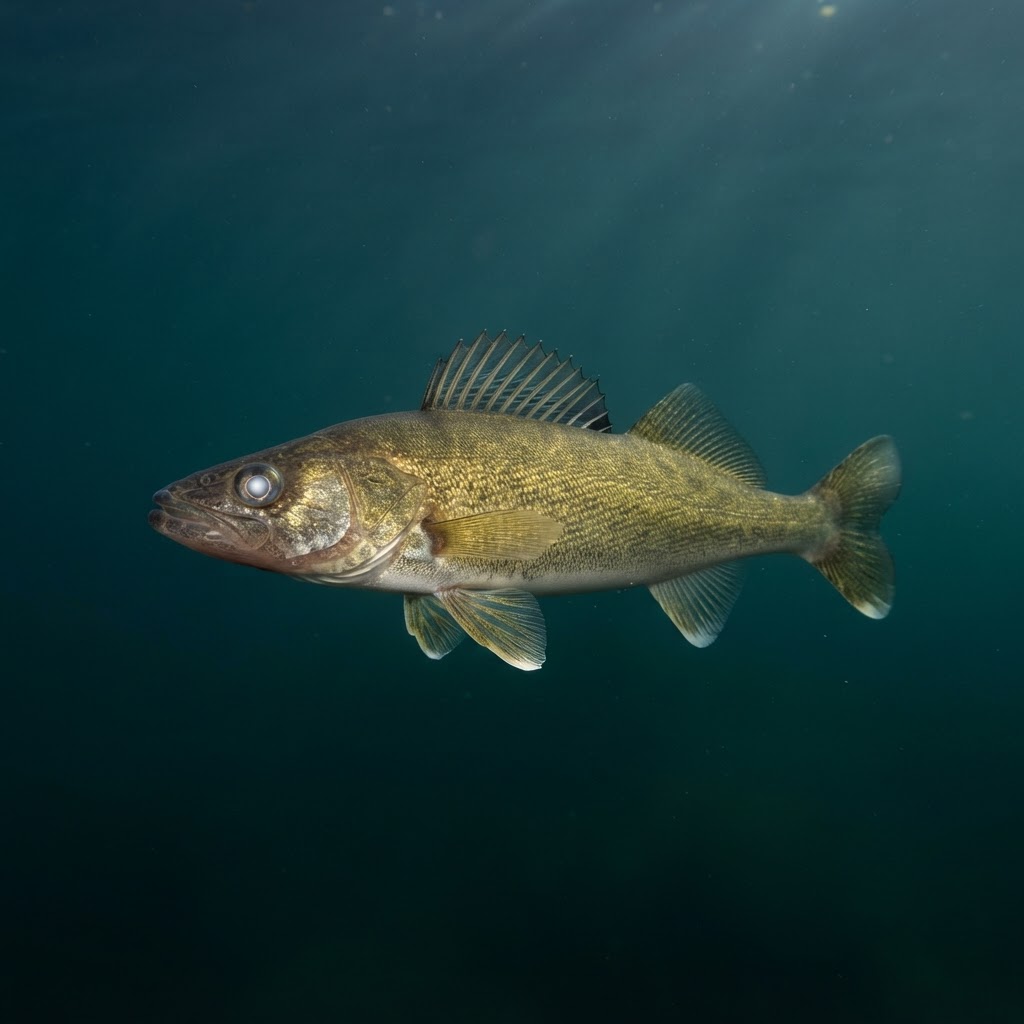 Walleyewalleye fishing techniques · walleye tipsOpen shelf
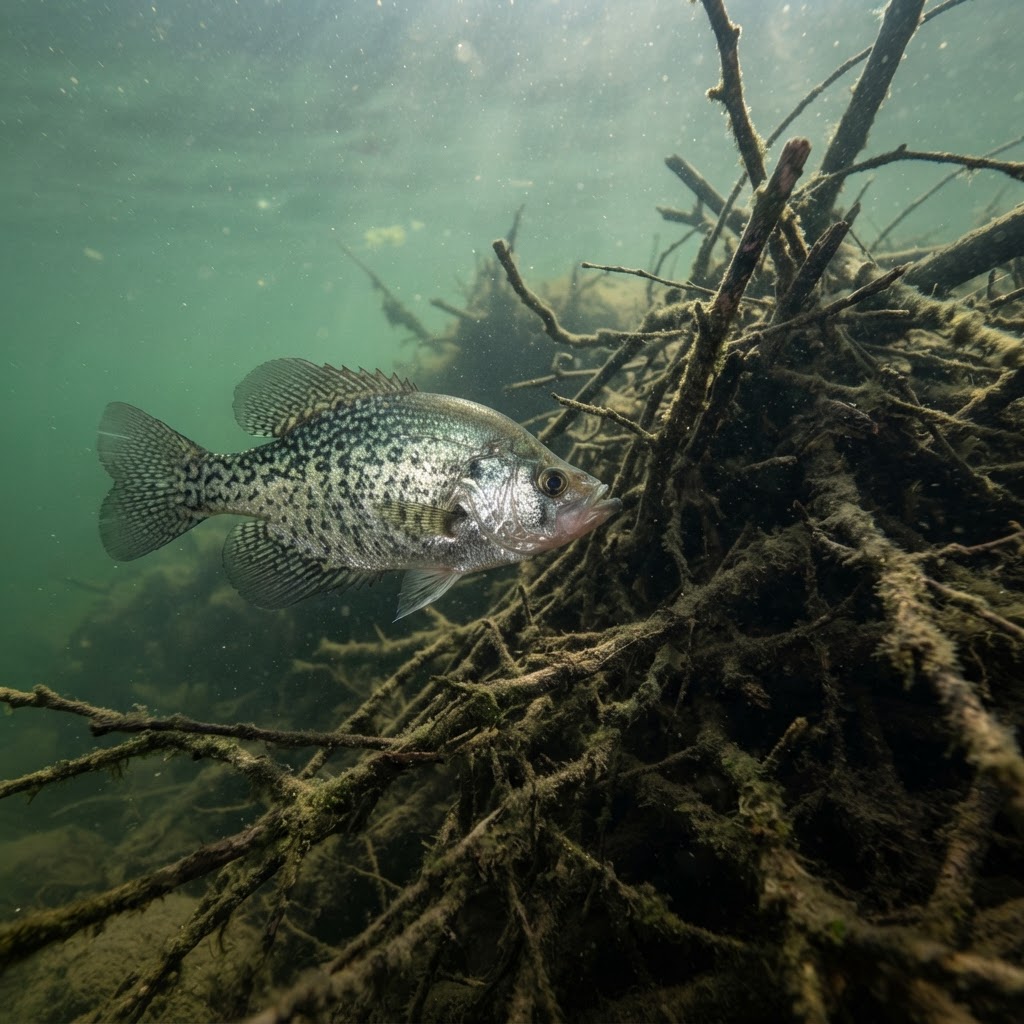
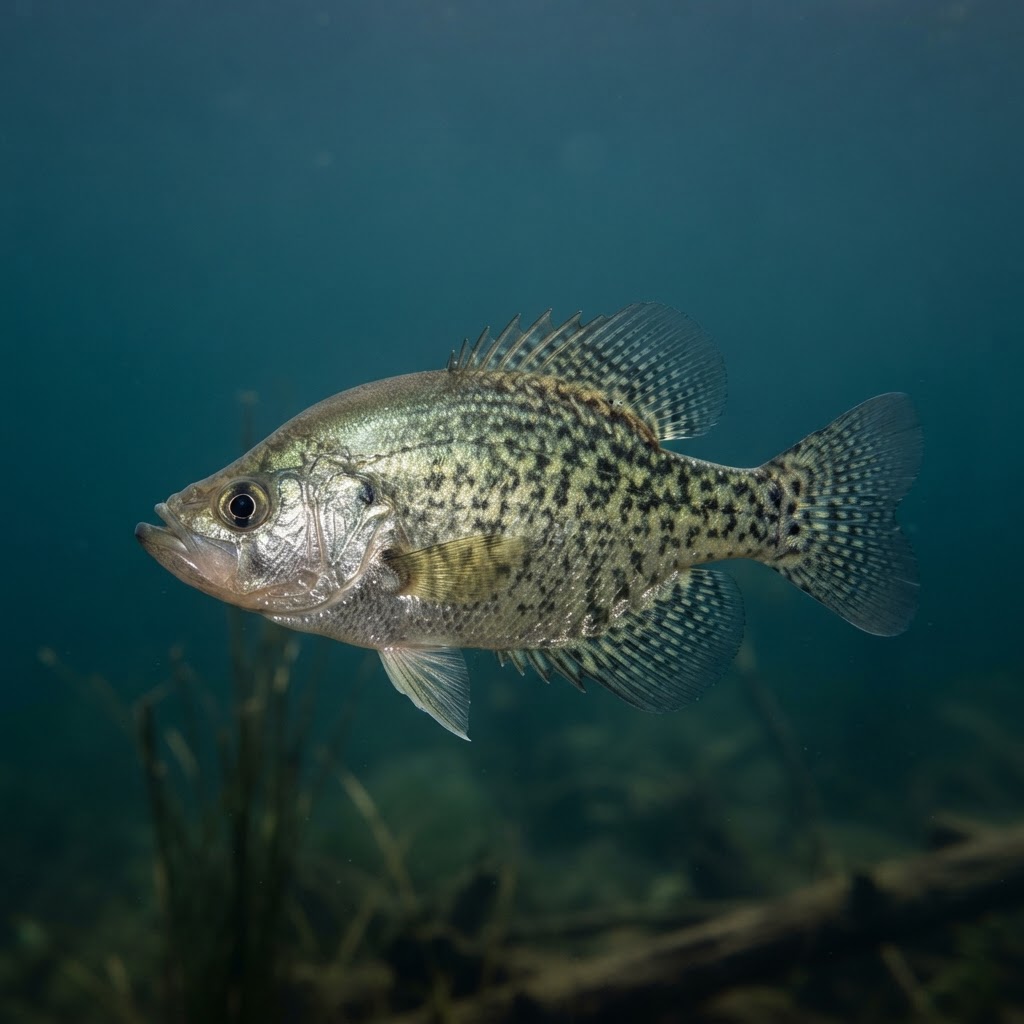 Crappiecrappie fishing tips · how to catch crappieOpen shelf
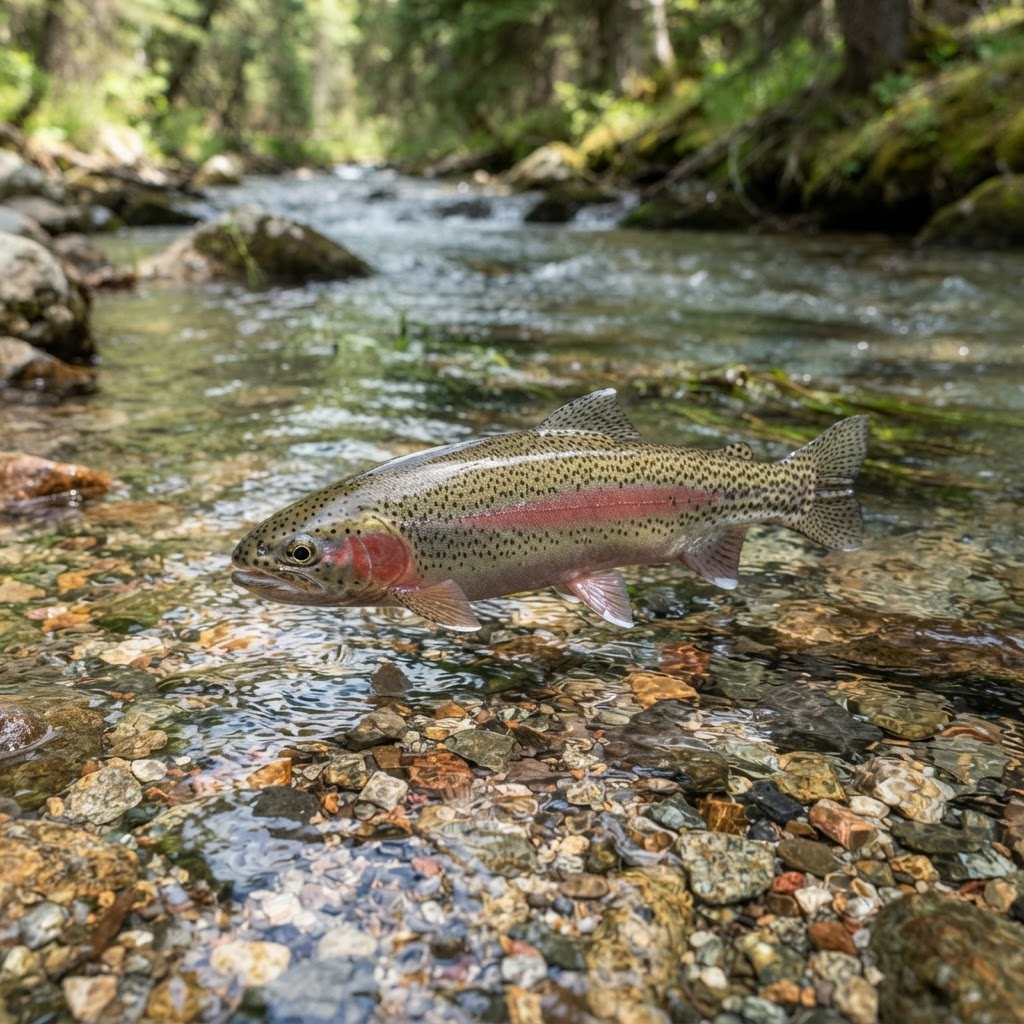
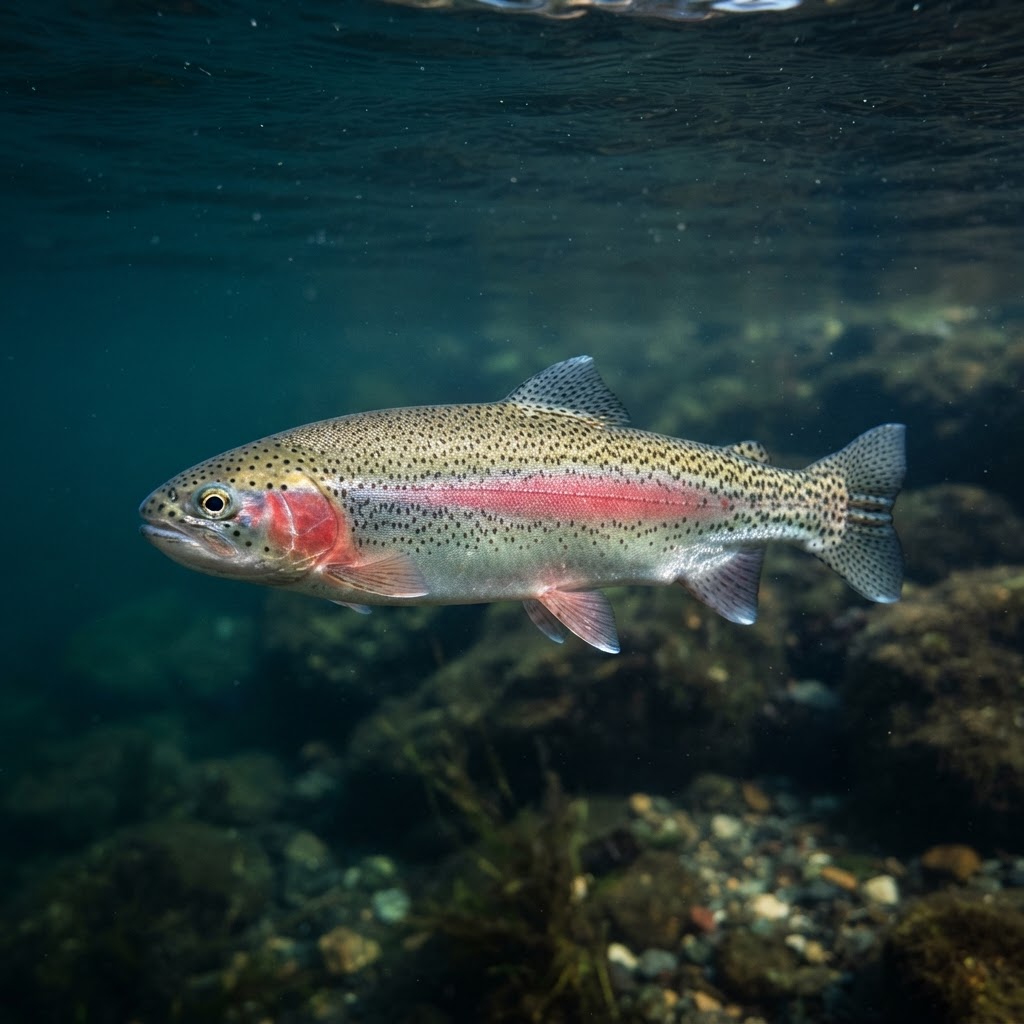 Trouttrout fishing basics · how to fish for troutOpen shelfAsk FINN