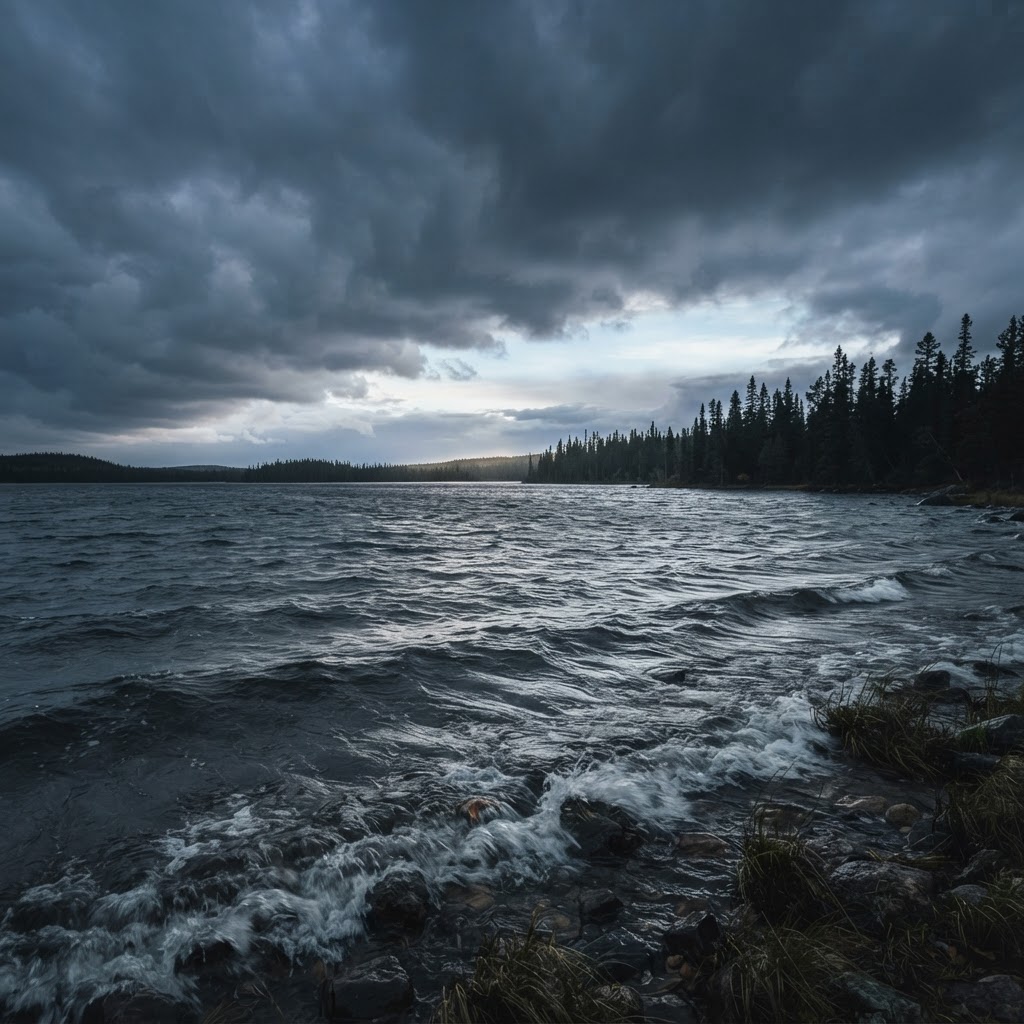
Weather and Water
How Water Temperature and Clarity Change Where Fish Sit
Temperature sets the pace of a fish's life and clarity sets how far it is willing to travel for food. Read both before you choose a depth.
4 min readRead guide
 Fishy Lips
Fishing guides
Every guide we have written, filed by species and by problem. Straight reading, no filler — start with the shelf that matches the water you are fishing.
Eight shelves
Five species, plus tackle, technique and water conditions. Pick the one that matches today.
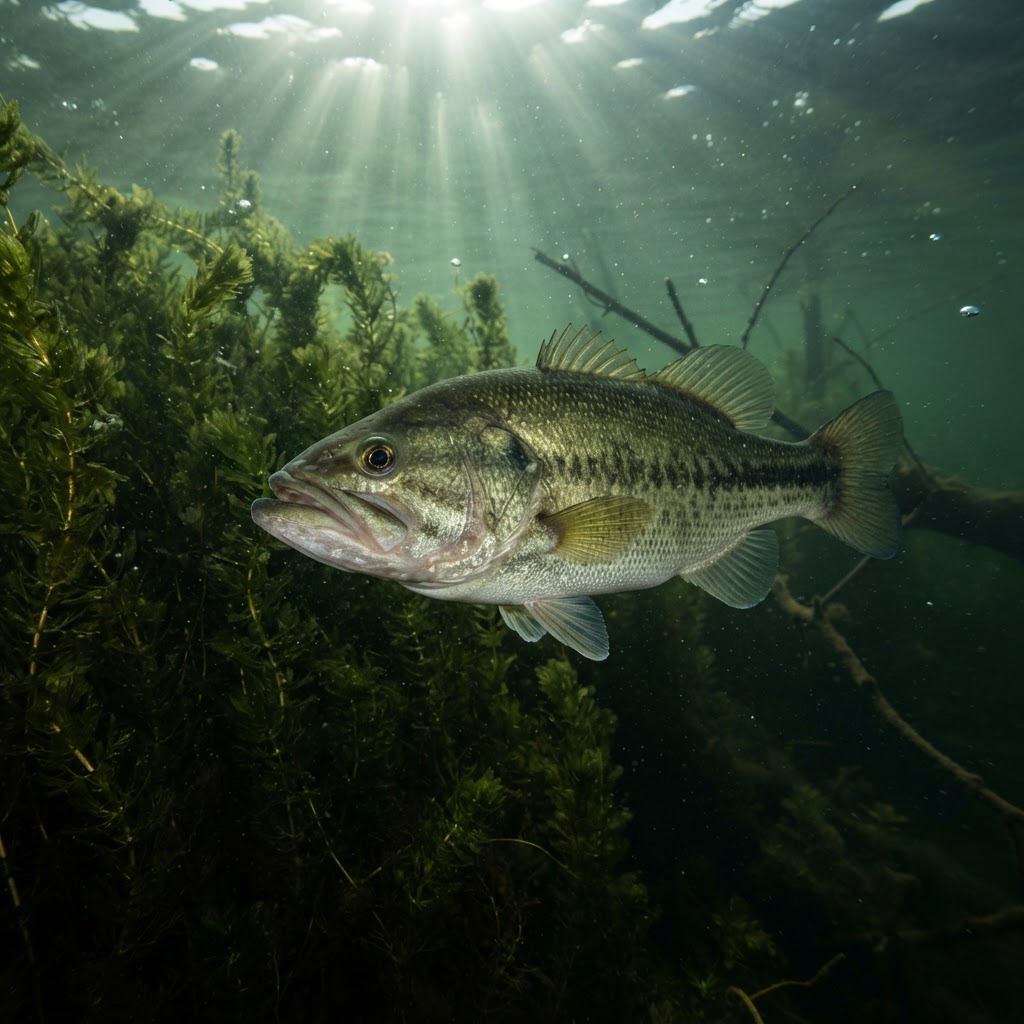
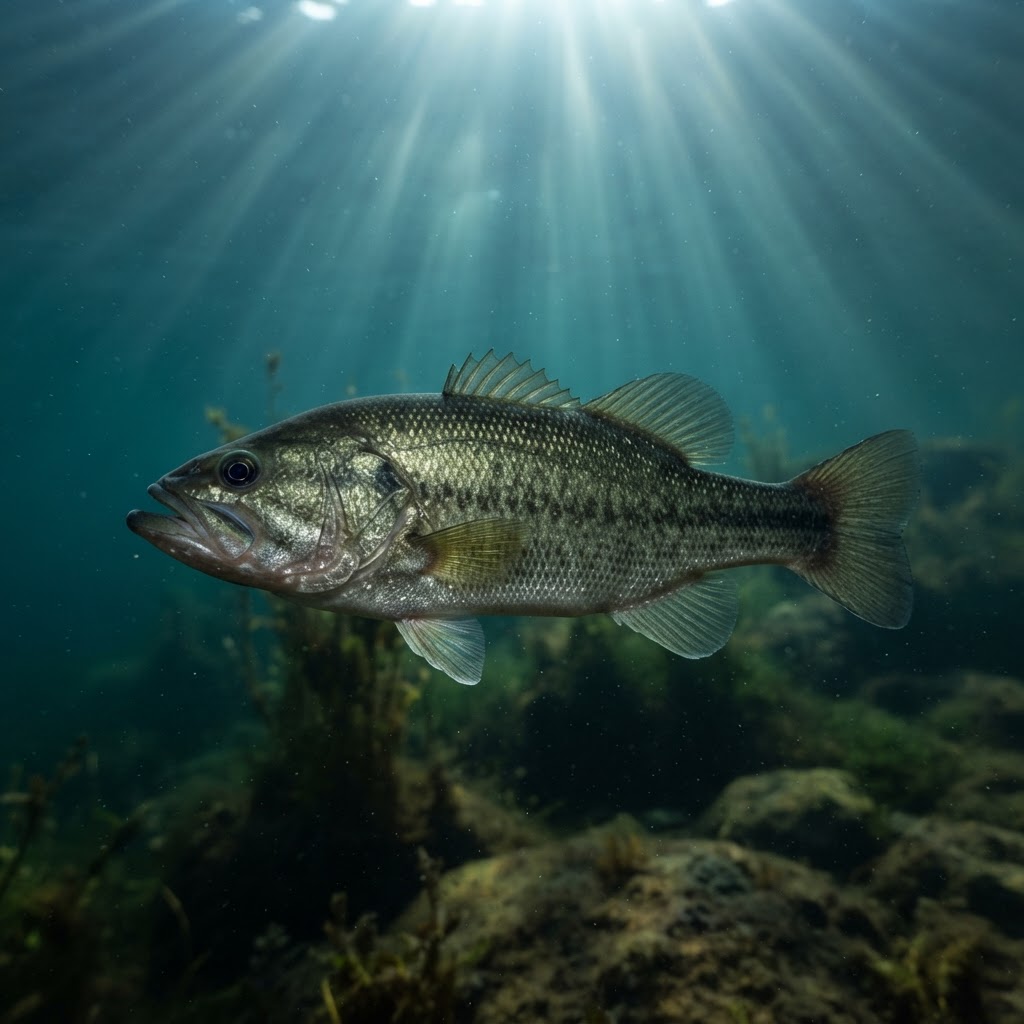 Bassbass fishing tips · largemouth bassOpen shelf
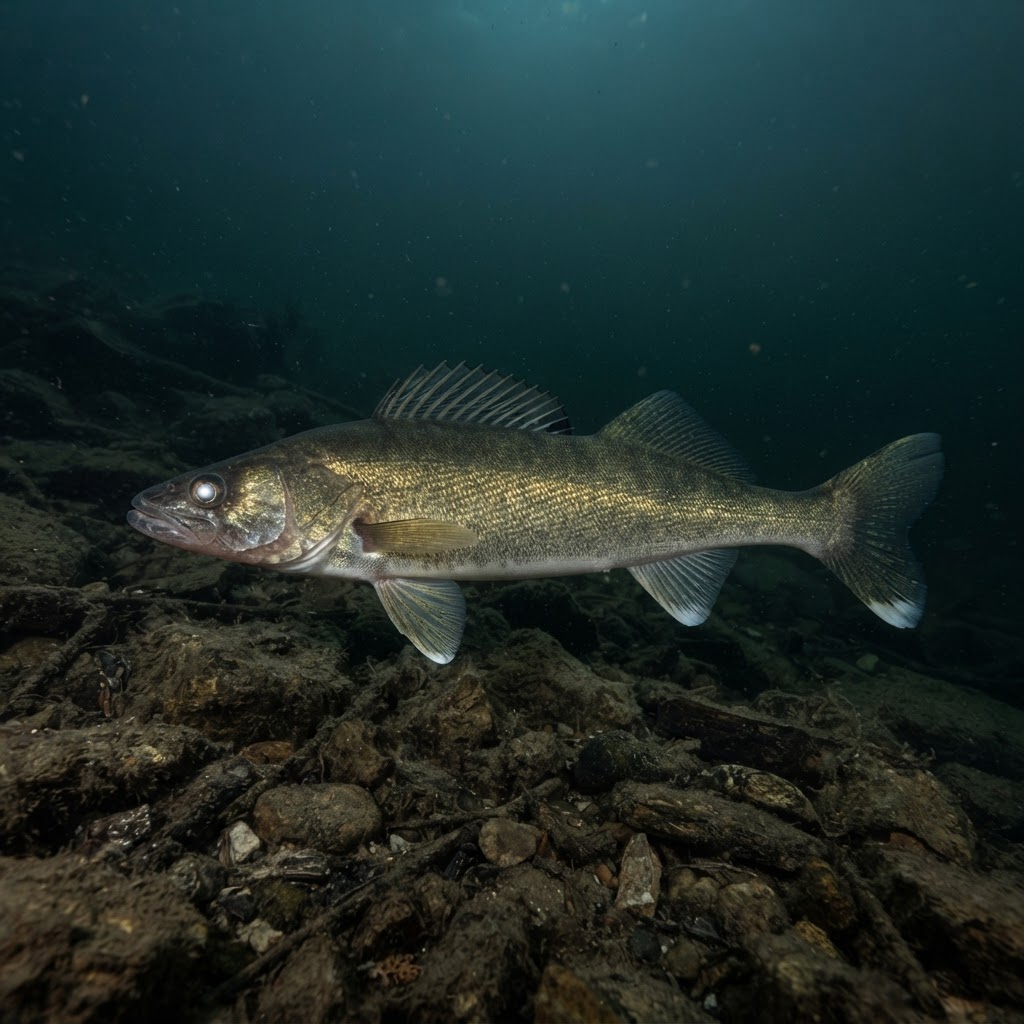
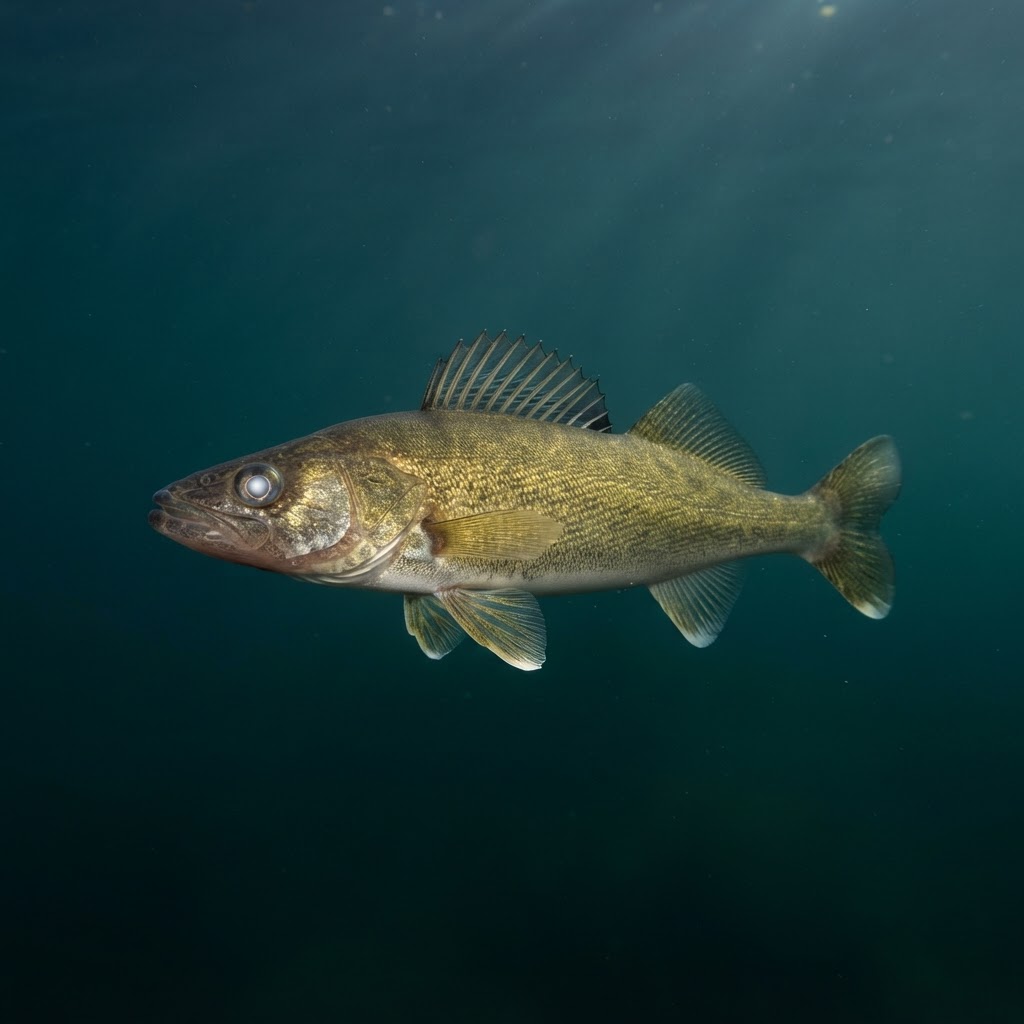 Walleyewalleye fishing techniques · walleye tipsOpen shelf
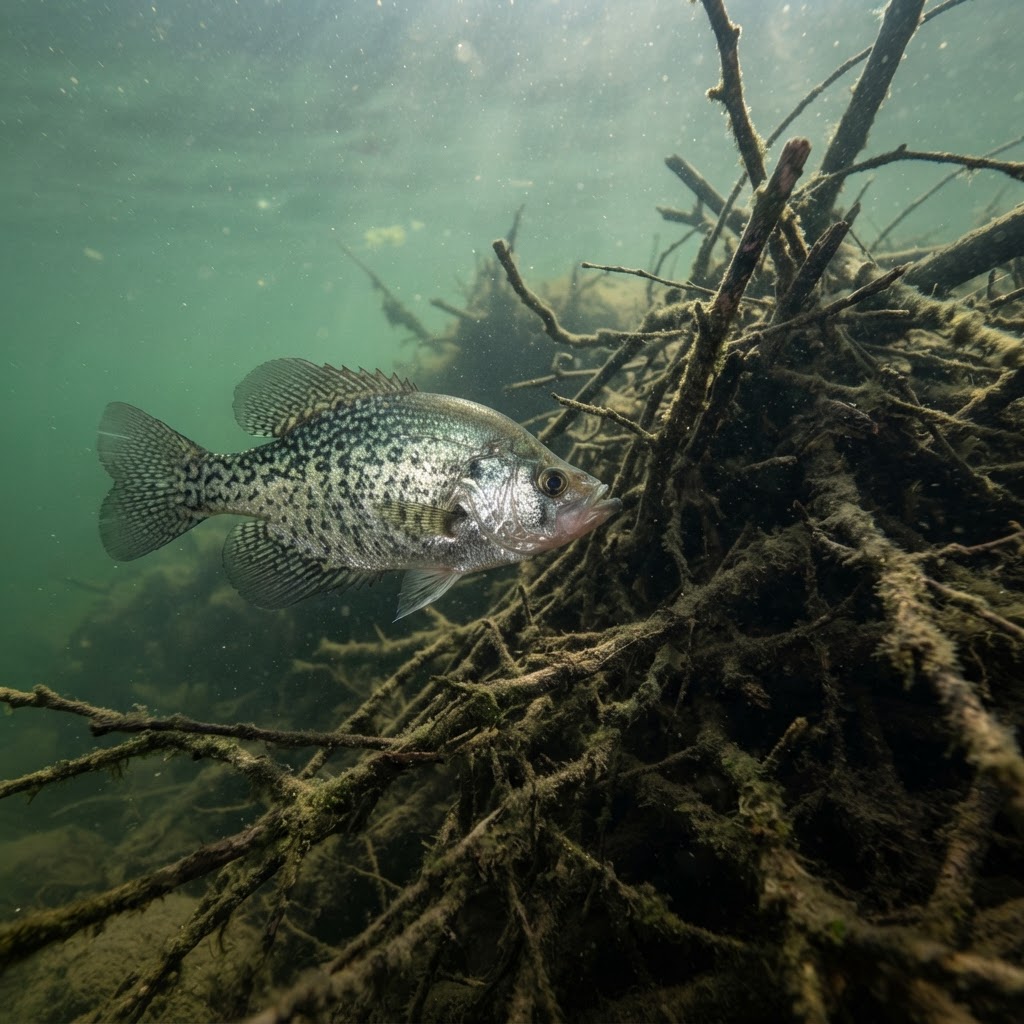
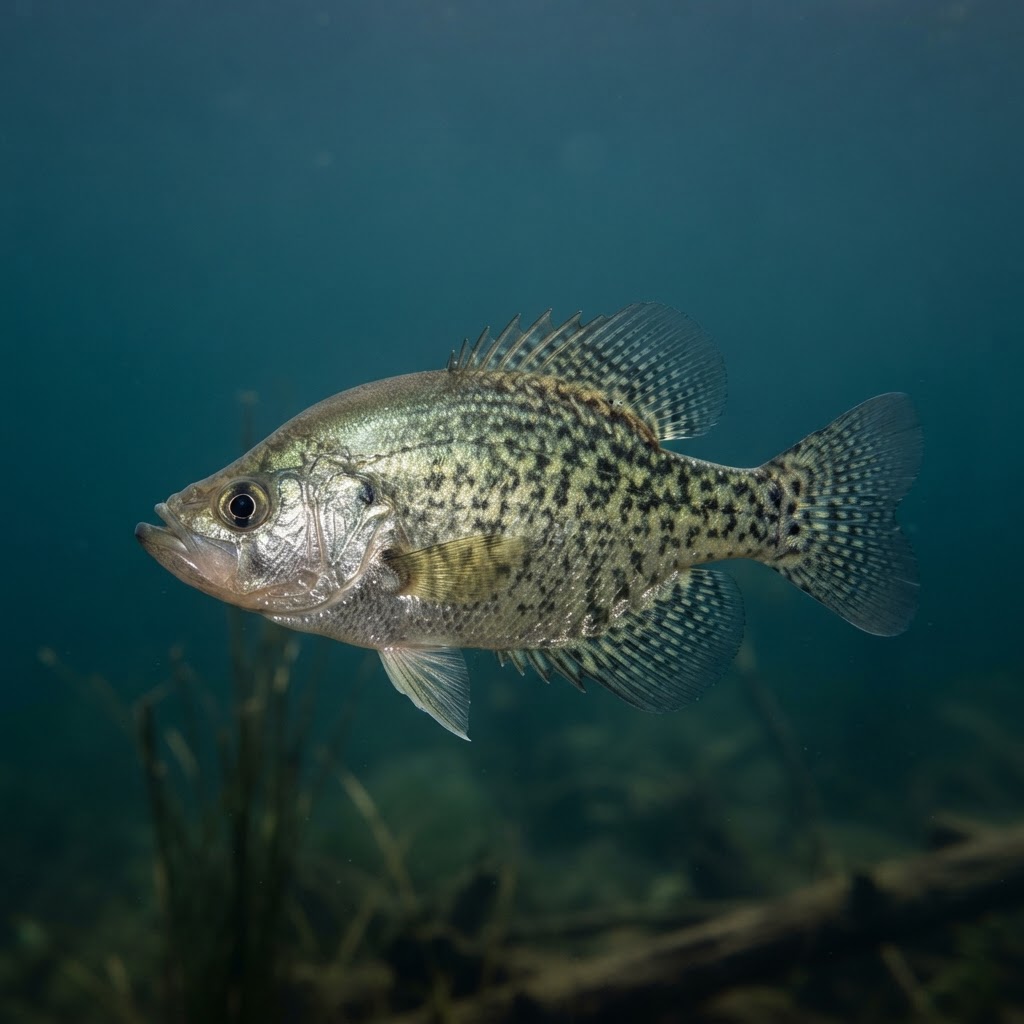 Crappiecrappie fishing tips · how to catch crappieOpen shelf
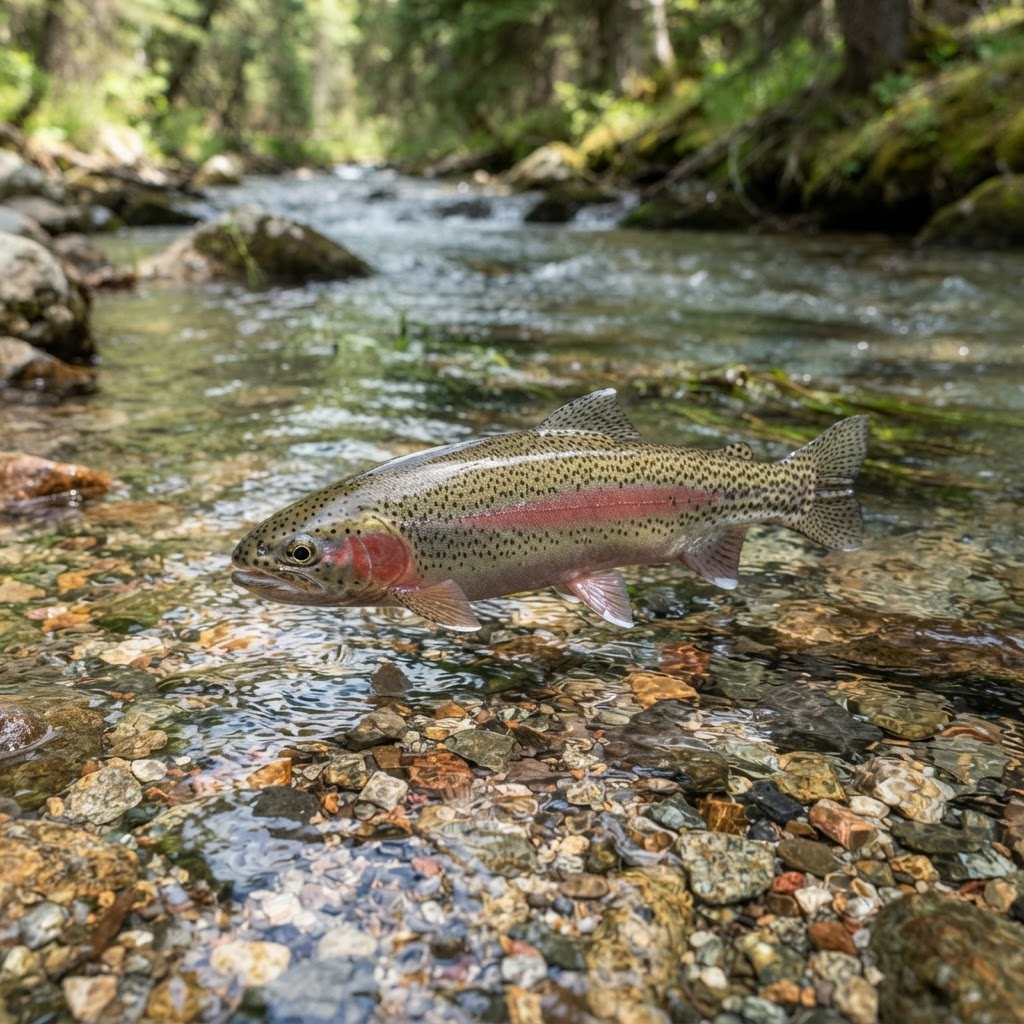
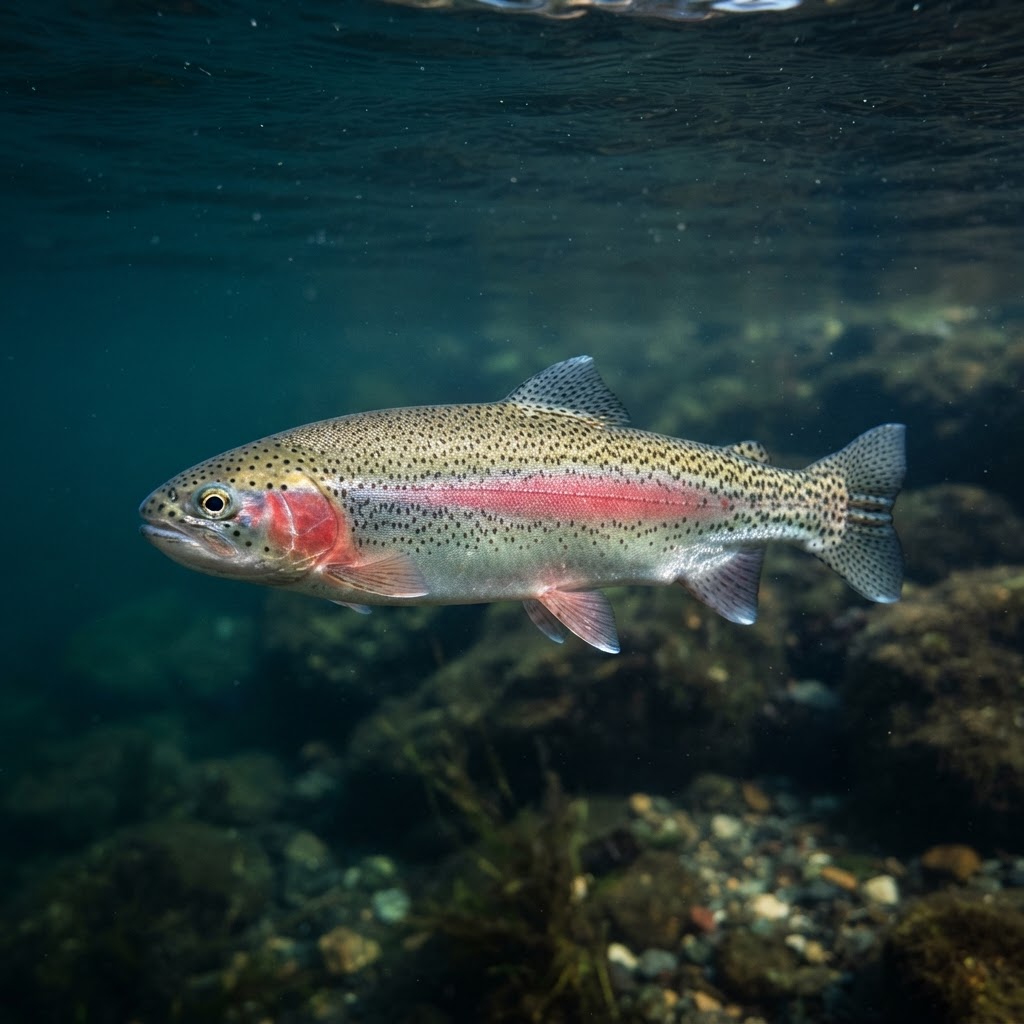 Trouttrout fishing basics · how to fish for troutOpen shelf
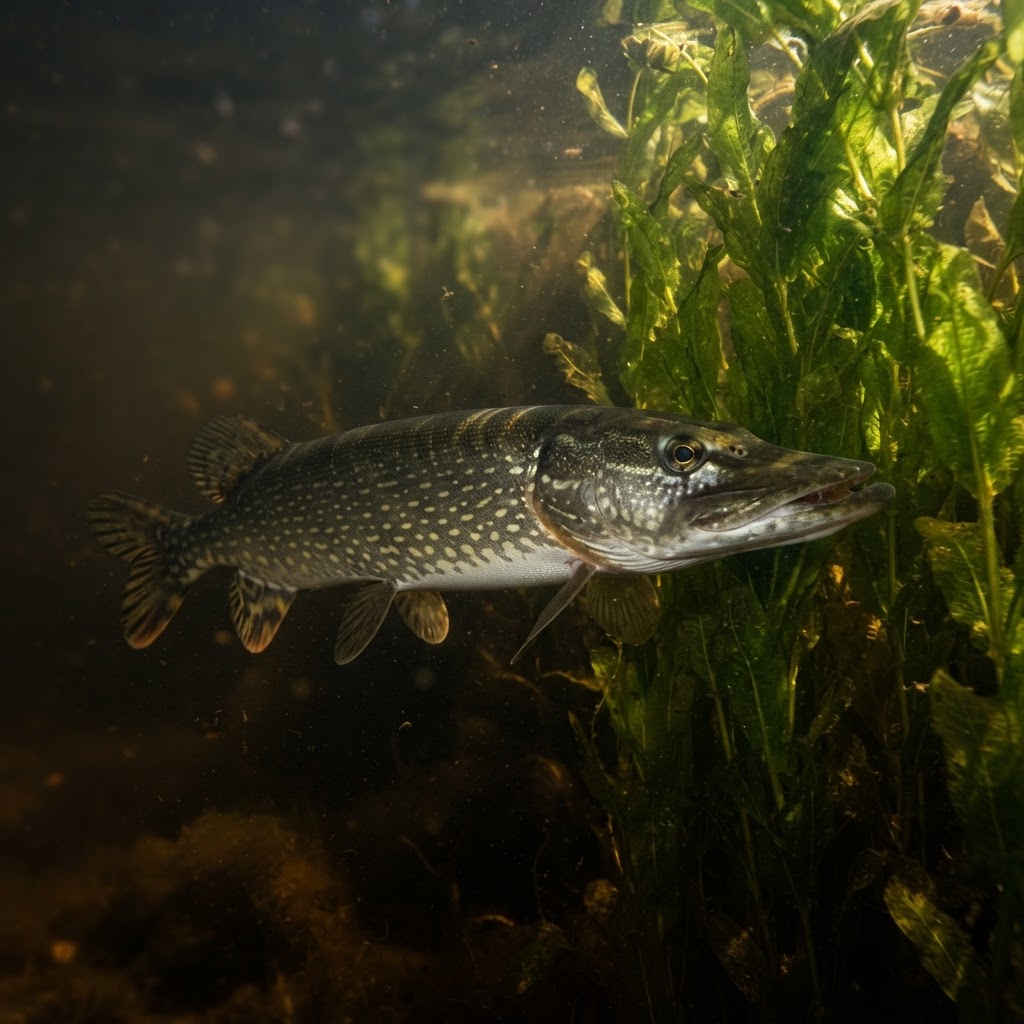
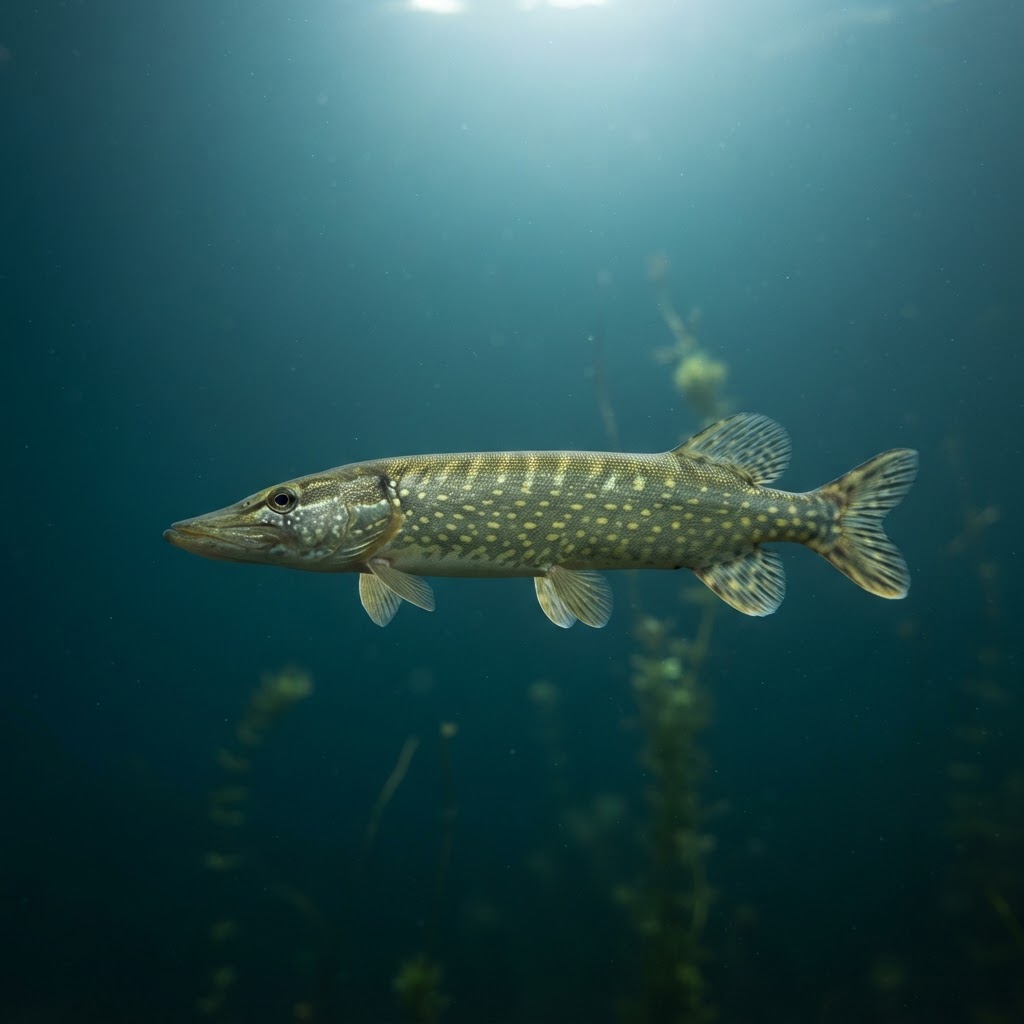 Pikepike fishing tips · northern pikeOpen shelf
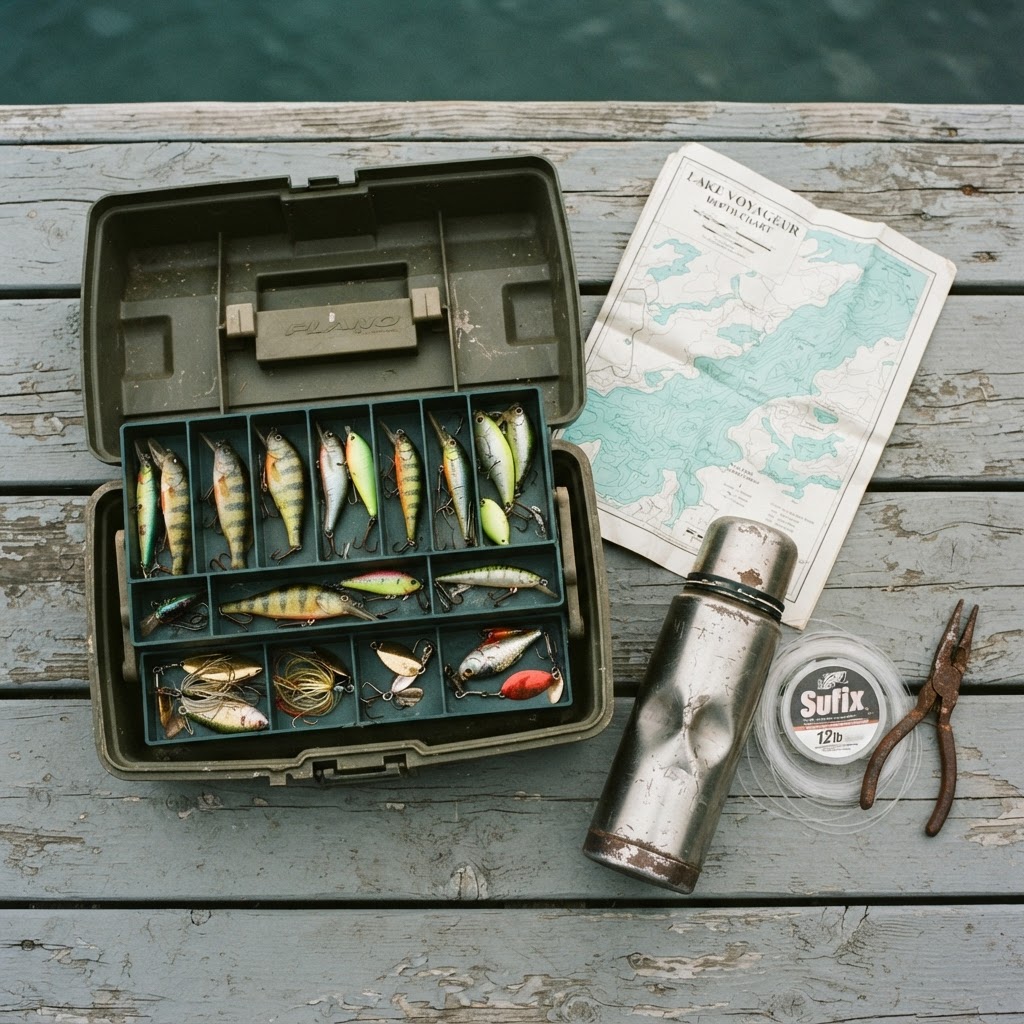
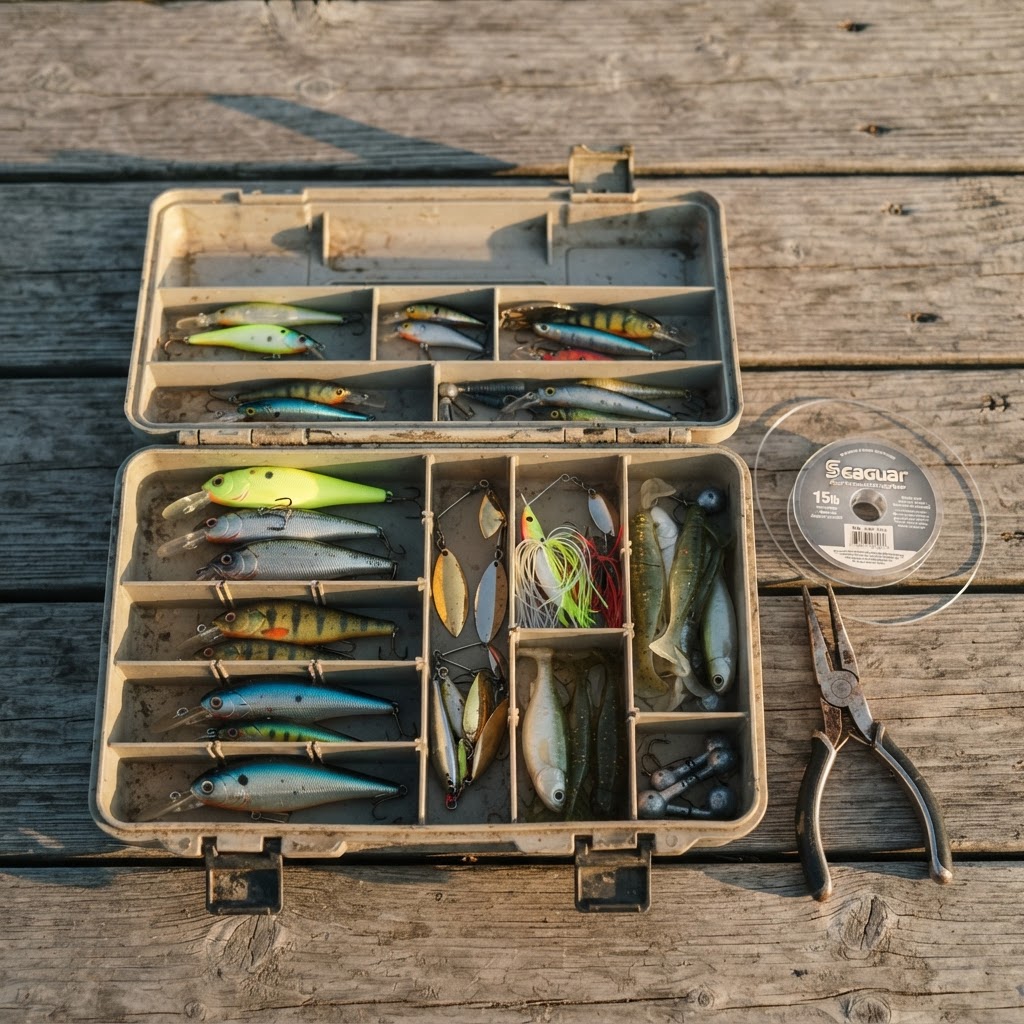 Fishing Tacklefishing tackle guide · crankbait diving depthOpen shelf
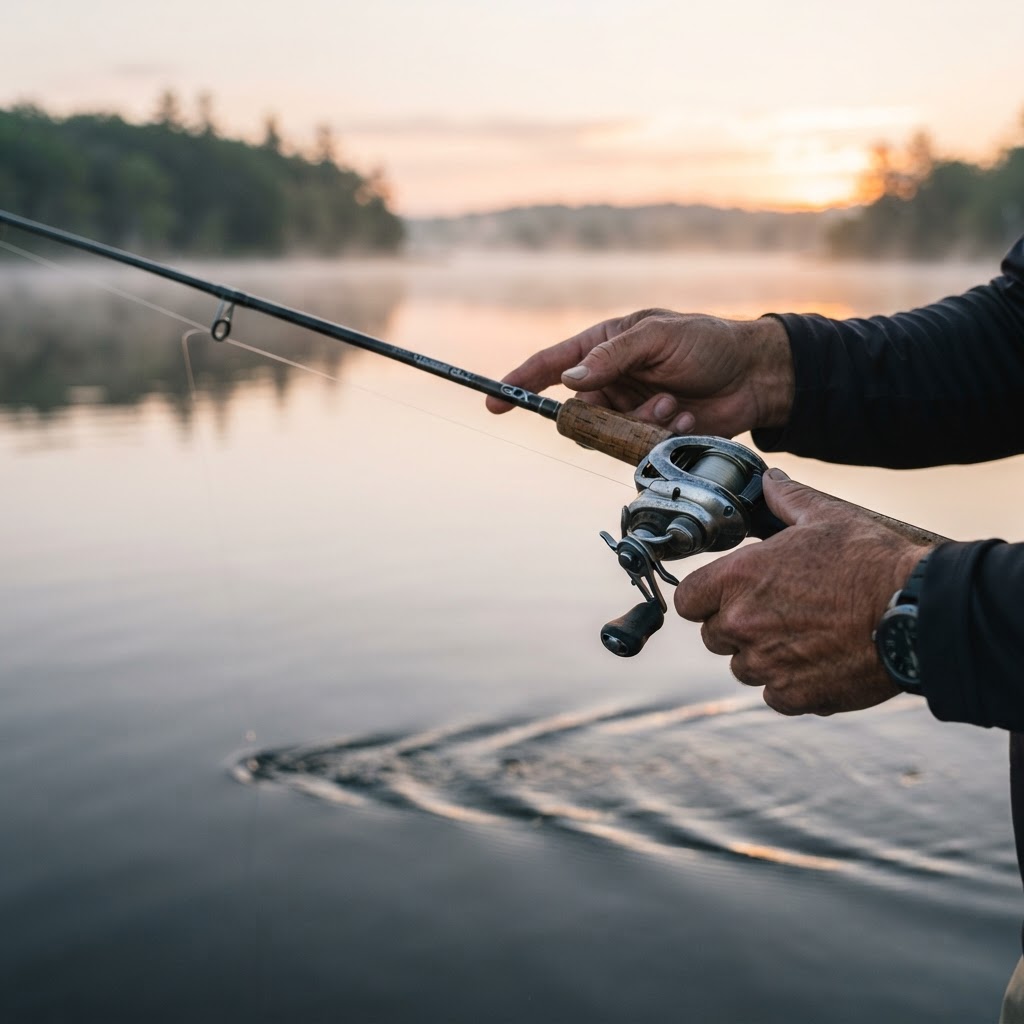 Techniquesfishing techniques · retrieve speedOpen shelfWeather and Waterwater temperature and fish · fishing water clarityOpen shelf

TheMightyFINN — Your Fishing Guide
FINN points you at the guide that matches the conditions you are actually fishing, not the one that is trending this week.
Latest first
Temperature sets the pace of a fish's life and clarity sets how far it is willing to travel for food. Read both before you choose a depth.
Retrieve speed and pause length are the two controls you always have. Learn how to read a fish's mood and change one of them at a time.
Crankbait depth is the one specification that decides whether a bait is in the strike zone at all. Here is how to build one bait per depth band.
Pike are ambush predators, so the edge is everything. Work the weed line, cover water with spinners, and handle fish so they swim away strong.
Trout live where the current gives them food without costing them energy. Learn to read seams, riffles and pools, and where to stand so you stay unseen.
Crappie fishing is a game of finding cover and holding still over it. Small jigs, accurate counts and quiet presentations do the work.
Walleye feed on the edges of light and dark. Here is how to use that habit, keep bottom contact with a jig, and cover water when the fish are spread out.
A starting point for bass: the difference between cover and structure, how the seasons move fish, and the three lure families worth learning before you buy anything else.
Before you read
Read a shelf, then take the lure challenge and see whether your instincts match the water you just studied.
Ask FINN